Every region has its storm folklore, and ours got passed down at kitchen tables for generations. Some of it is harmless. Some of it gets people hurt. Here are the five we hear most on service calls, retired with respect.
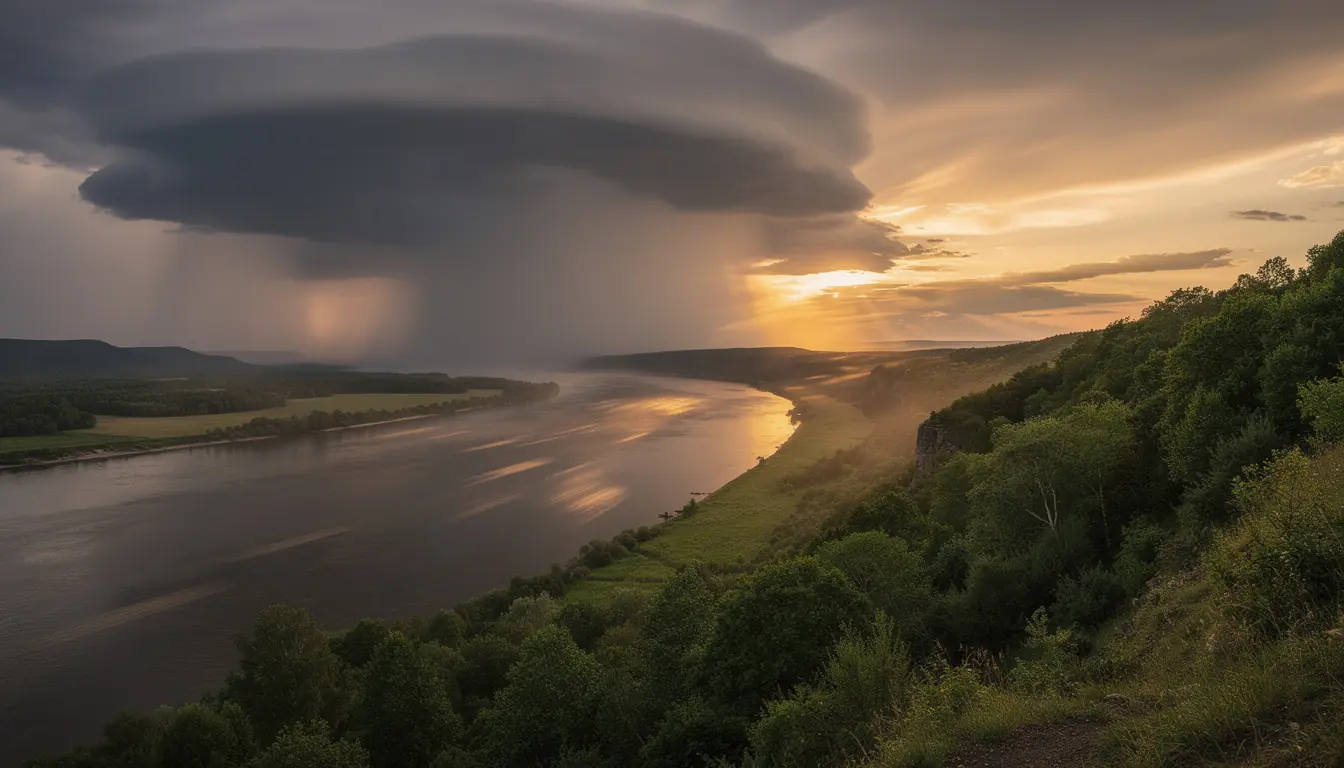
'Tornadoes don't cross the river.' The oldest one in the Mid-South — the idea that the Mississippi, or the bluffs, turn storms away. Tornadoes cross rivers, ridges, lakes, and county lines without noticing them; the historical record around here is unambiguous. The myth survives because misses are remembered as protection. Plan like geography is not on the roster, because it isn't.
'Open the windows to equalize the pressure.' This one was taught as fact for decades — the house 'explodes' from pressure difference unless you vent it. It's not how houses fail. Homes are damaged by wind and debris coming in, and an open window is an invitation, not a relief valve. Every second spent at a window is a second not spent getting to your safe spot.
'Get under an overpass.' The most dangerous myth on this list. An overpass funnels and accelerates wind exactly where people crouch, and it has cost lives. If you're driving and a tornado threatens: get to a sturdy building if you can, and if you truly can't, a ditch below road grade beats the car, and the car beats the overpass.
'You can outrun it in the truck.' Tornadoes move erratically, shift direction, and can travel highway speeds — and storm traffic is where vehicles pile into each other's paths. The plan is to not need the race: know where you're going before the sky decides for you.
'Tornado season is spring afternoons.' West Tennessee writes its own calendar. We get a genuine second season in late fall, and some of our worst tornadoes have arrived after dark, when they're invisible and most people are asleep — December has proven it here in recent memory. A weather radio that wakes you up matters more in this region than almost anywhere.
The unglamorous truth behind all five: survival here is a plan and a place, decided on a sunny day — and the recovery afterward is usually about power. When the storm has passed and half the county is dark, that's the week a standby generator pays for itself: (901) 699-7763.