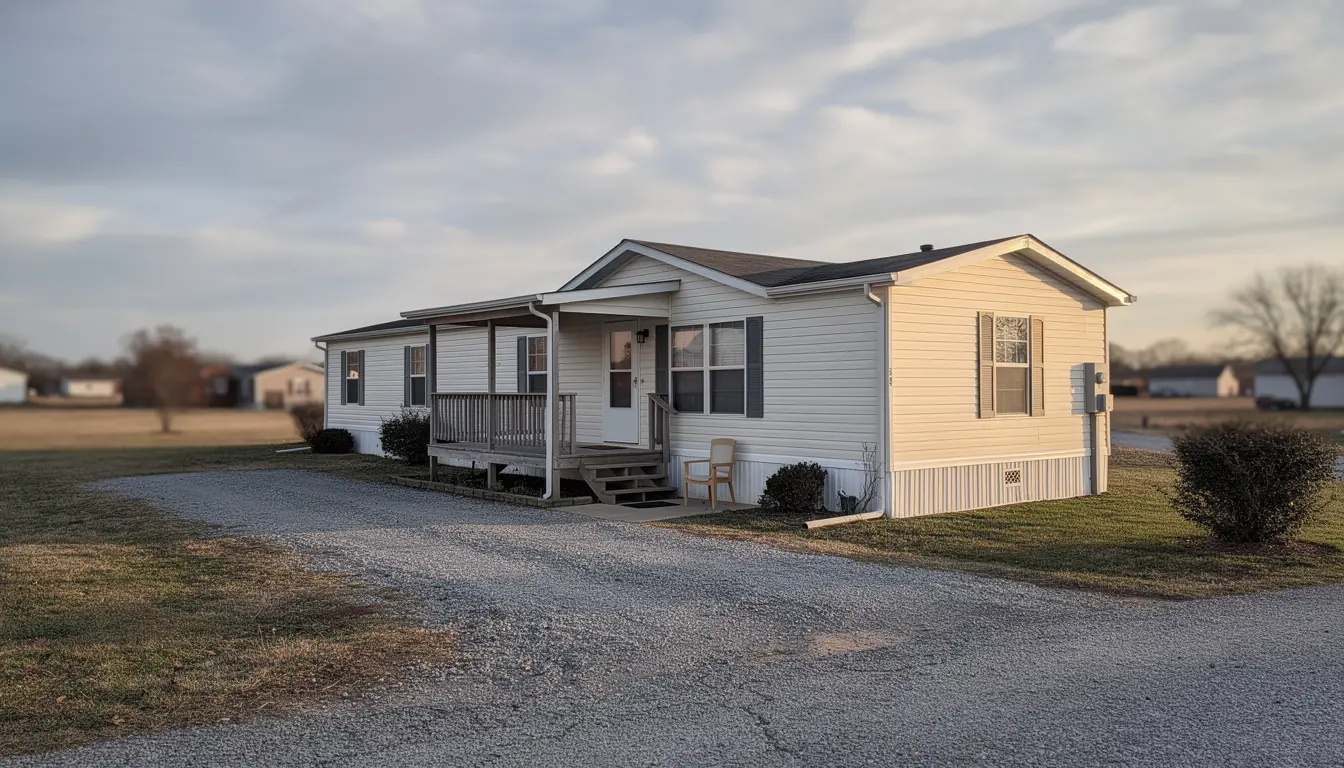
Plenty of good folks across Tipton County live in manufactured homes, and they deserve straight talk instead of either scare tactics or false comfort. So here it is, the way we'd say it across a kitchen table.
The honest part: manufactured homes account for a disproportionate share of tornado deaths — not because the people in them do anything wrong, but because the structure itself can't offer what a warning demands. Tie-downs and anchoring matter for straight-line winds, and newer HUD-code homes are better built than the old stock — but in a genuine tornado, no mobile home is a safe place to stay. Every weather service in Dixie Alley says the same thing: the plan for a mobile home is to NOT BE IN IT.
Which means the whole game is leaving early. A tornado WARNING at 2am does not leave time to wake kids, find shoes, and drive somewhere. The move that actually saves lives is treating the WATCH as your trigger: when the evening looks dangerous, relocate before the storms arrive — to a family member's site-built house, a designated community shelter, or any sturdy building you've arranged in advance. Fifteen minutes of "that was probably unnecessary" is the best-case outcome and worth it every time.
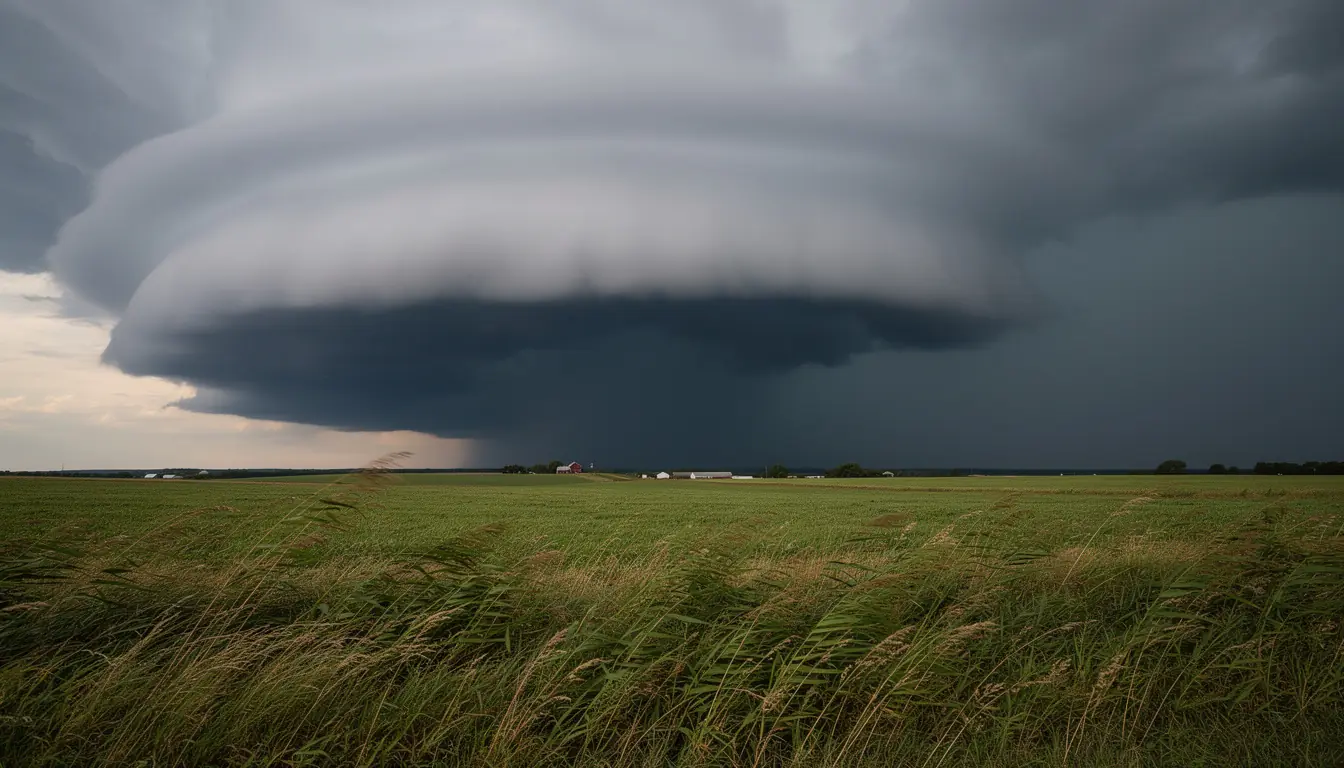
Night storms are the trap. Our fall second season and plenty of spring events run after dark, when you can't see anything coming and sirens are the only warning that reaches sleep. A NOAA weather radio with the alarm feature — loud enough to wake the house — is the single most important purchase for mobile-home severe-weather safety. Phones on silent don't count.
The permanent fix, if you own your lot: a purpose-built storm shelter from a certified installer changes the math completely — an in-ground unit beside the home or a small above-ground safe room both put rated protection steps from your door. Look for FEMA 320/361 and ICC-500 testing, and register any shelter with county emergency management so responders know where you are.
Write the plan down. Destination, trigger ("watch issued + storms west of the river = we go"), shoes and radio by the door, neighbor check-in. Practiced once, it runs itself. And for the long outages that follow these storms, a standby generator keeps a manufactured home livable — happy to talk through it: (901) 699-7763.