
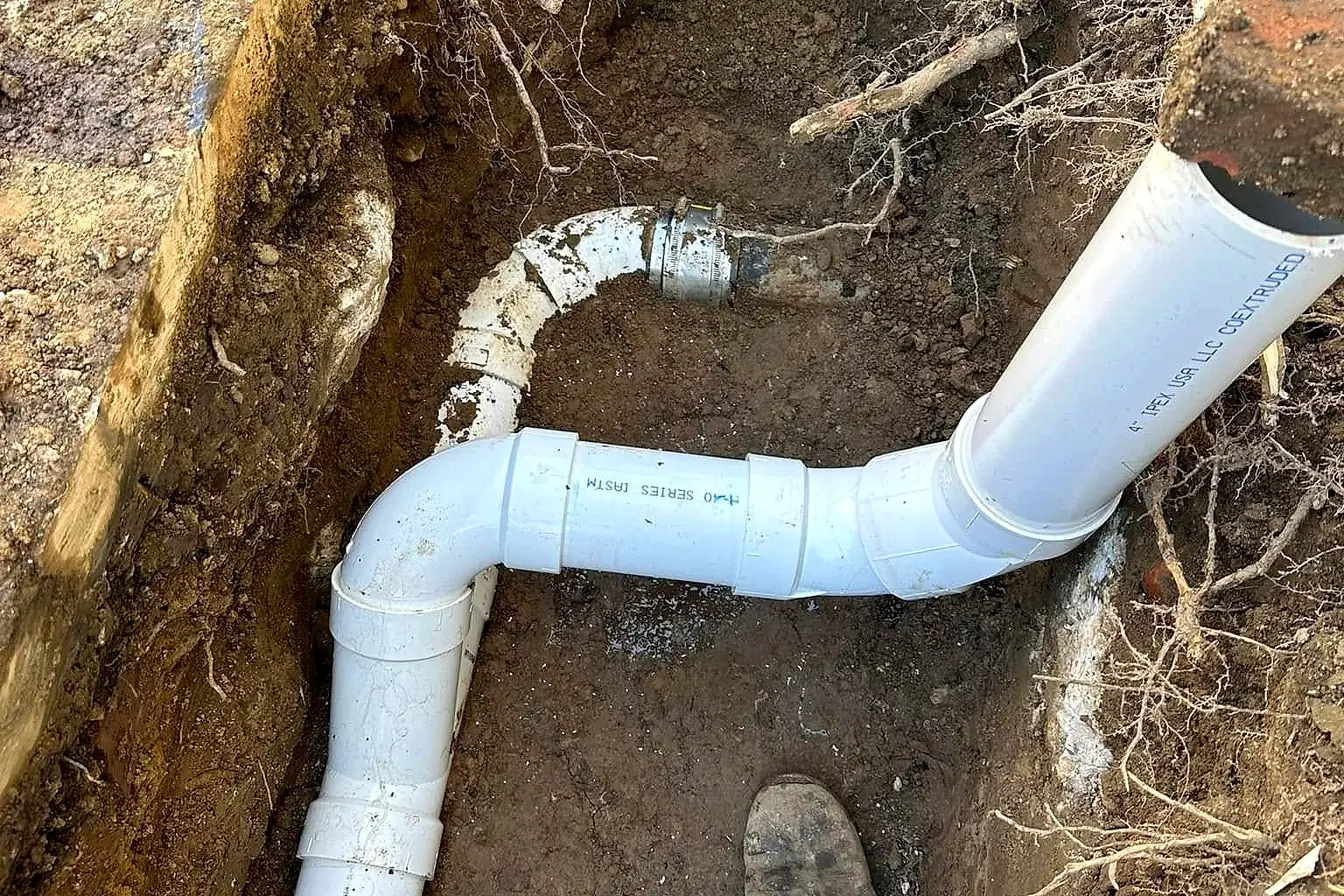
Plumbing
Pipe Repair, Replacement & Repiping
Freeze damage, slab leaks, aging galvanized lines — repaired or replaced right.
Freeze damage in West Tennessee usually isn't from one brutal stretch of winter — it's from a handful of hard freezes each year catching pipe that was never built for sustained cold: exposed lines in a crawl space, pipe run through an uninsulated exterior wall, a hose bib left connected all winter. The pipe itself often doesn't split from the ice — it splits from the pressure that builds up between the ice blockage and a closed faucet, and that split usually doesn't show itself until the thaw, when water starts moving again.
A slab leak is a supply or drain line leaking under the concrete foundation itself, and it rarely announces itself the way a visible pipe leak does. What you'll usually notice instead is a warm patch on an otherwise cool floor, the sound of running water when every fixture in the house is off, an unexplained jump in the water bill, or in worse cases, moisture showing up at the edge of flooring. Because the line is under the slab, the fix starts with locating the exact point of failure — we don't tear up a whole floor to find a leak we can pinpoint first.
For homes still running galvanized steel or polybutylene supply lines — common in older housing stock across our area — we do both full and partial repipes into modern PEX or copper. Galvanized pipe corrodes from the inside over decades, narrowing the interior diameter until low water pressure shows up house-wide even though nothing is technically leaking; polybutylene has its own track record of failing at fittings years after installation. Either way, a repipe gets planned around your schedule, walls get patched afterward, and you get a price for the work agreed on before the first section of old pipe comes out.
Watch for these signs
Quick answers
Do I need a full repipe, or can you just fix the section that's leaking?
Often just the failed section, especially if it's an isolated leak on an otherwise sound line. The exception is older galvanized or polybutylene systems, where one failure is frequently a sign the rest of the line is at a similar age and condition — in that case we'll tell you honestly whether a partial repair is a real fix or just a delay, and let you decide from there.
How much of my walls or floors do you have to open up for a repipe?
It depends on the layout and whether the existing line is accessible through a crawl space, attic, or wall cavity versus needing a more direct path. We plan the route before starting, tell you which walls will need to be opened, and patch them once the new PEX or copper line is in — the goal is the fewest openings that still get the job done right, not the most convenient path for us.
Related
More plumbing services
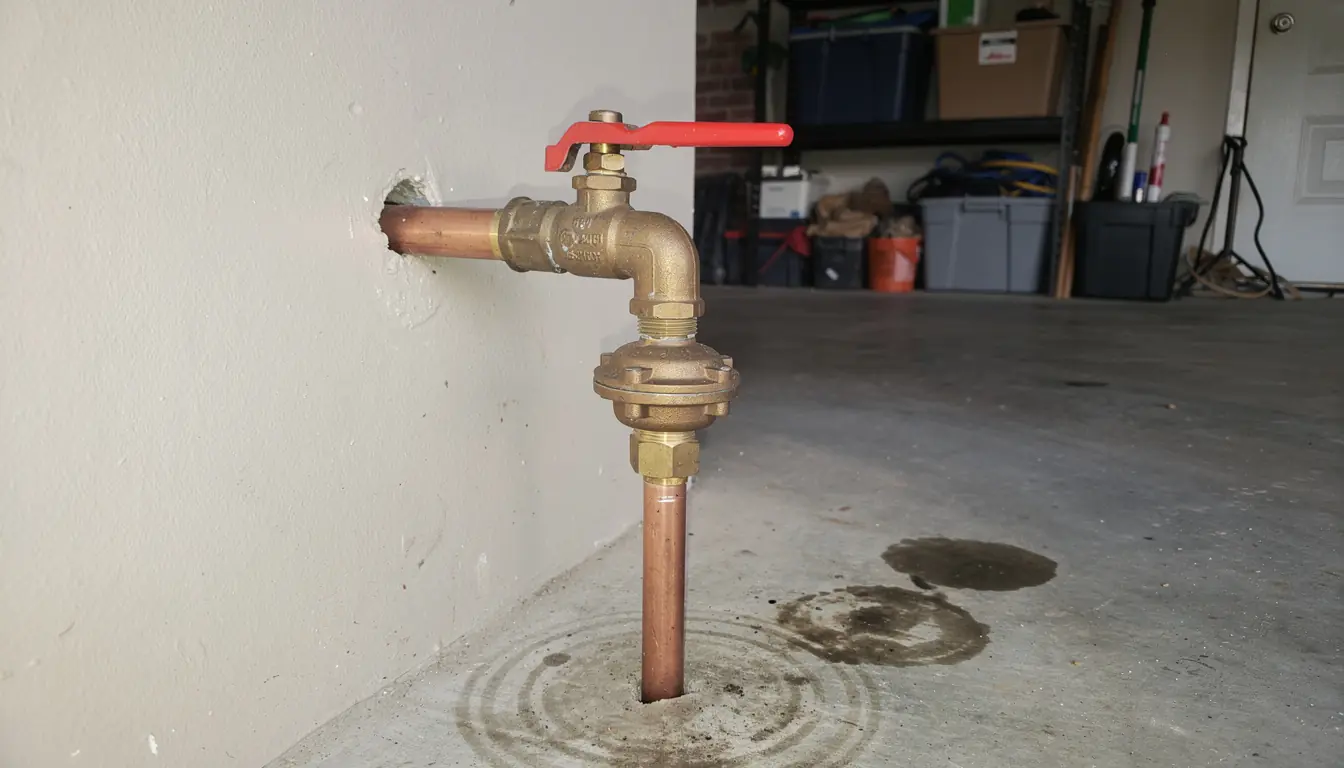
Emergency Plumbing
Burst pipe? Sewage backup? No water? A licensed plumber is on call right now.
Learn more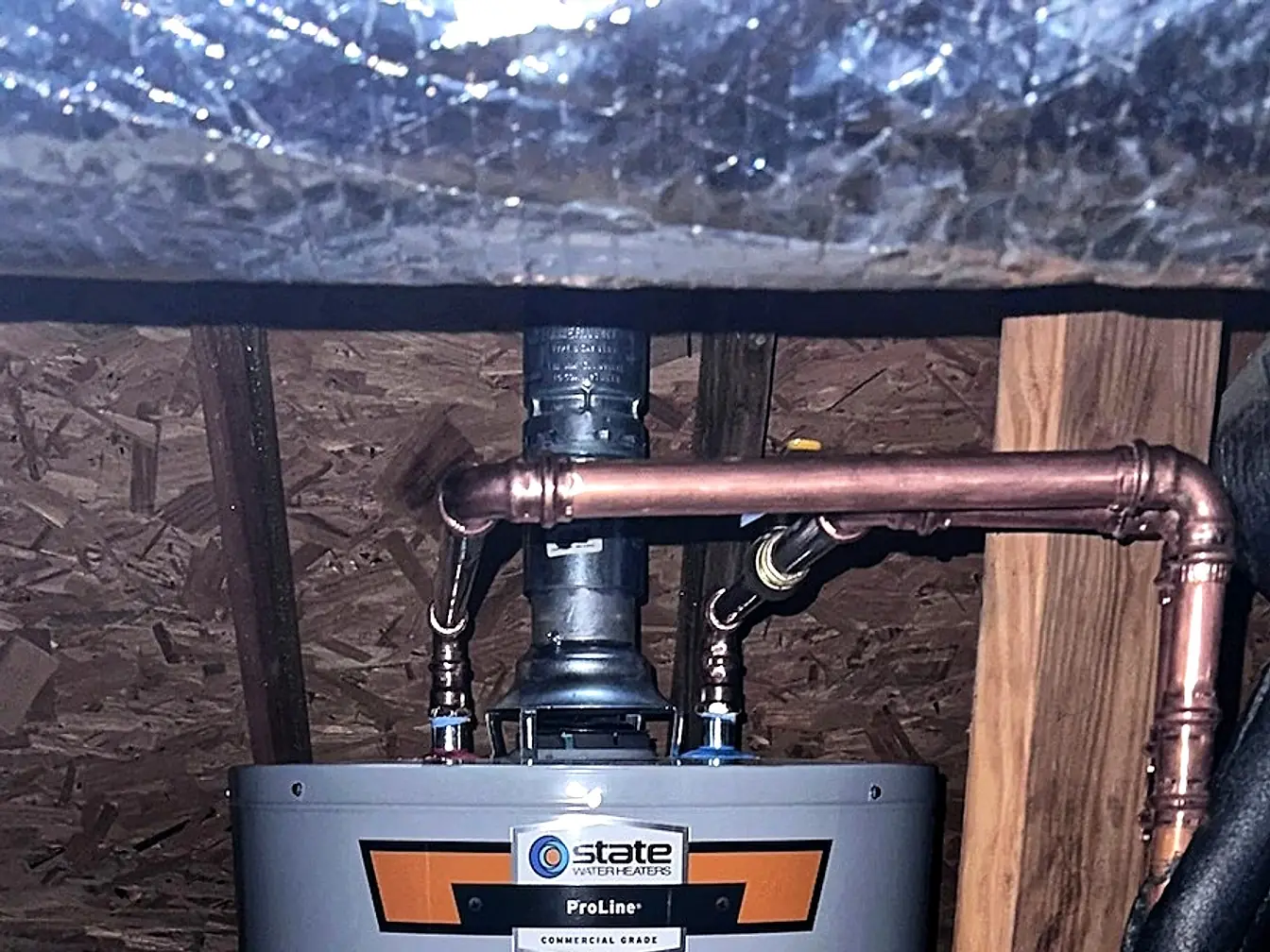
Water Heater Service
Repair, replacement, tank and tankless — same-week installs, upfront pricing.
Learn more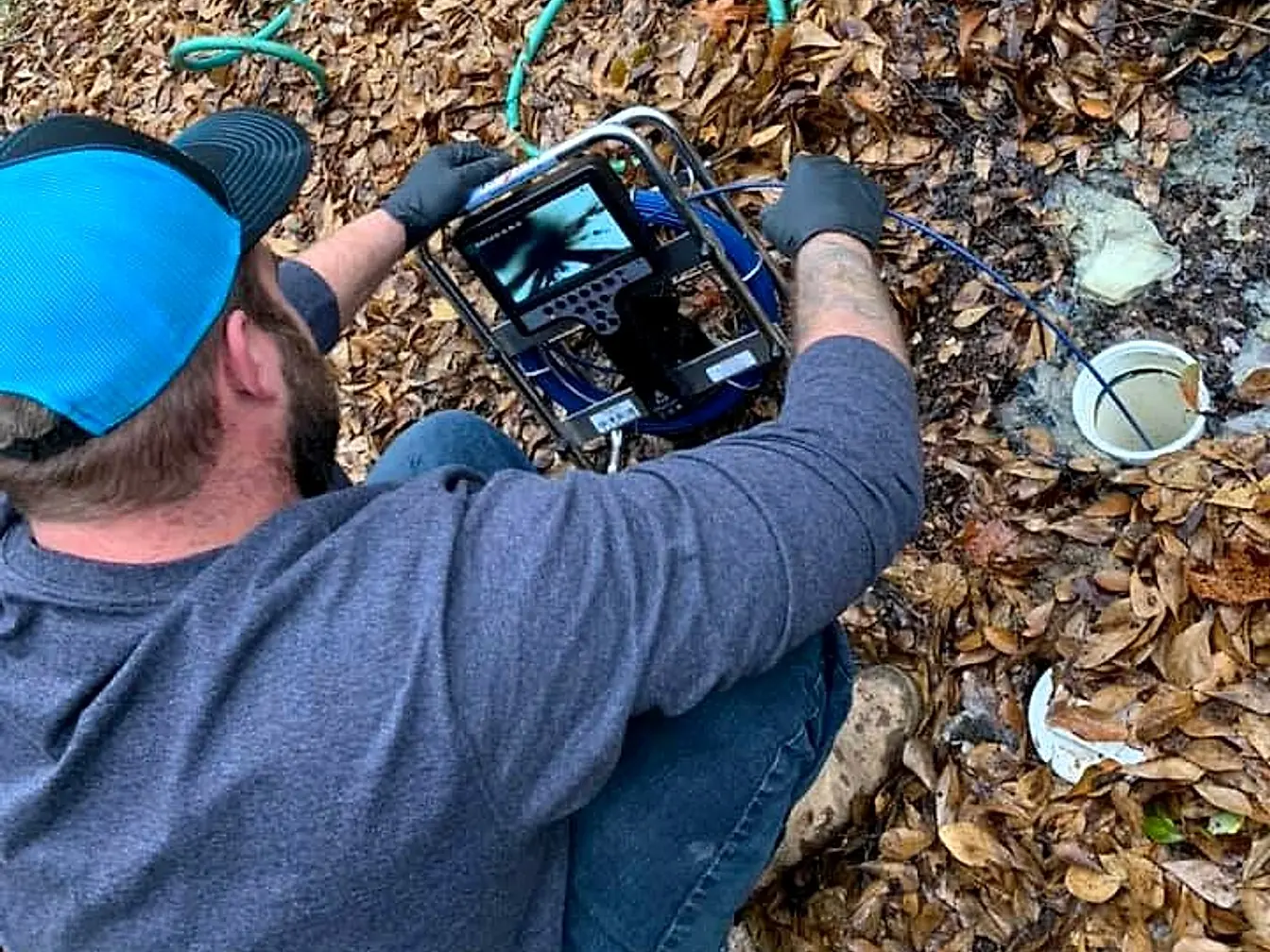
Drain & Sewer
Slow drains, main line clogs, camera inspections — cleared and verified.
Learn moreNeed a hand? We answer 24/7.
Upfront pricing · Licensed local techs · If it's not right, we make it right