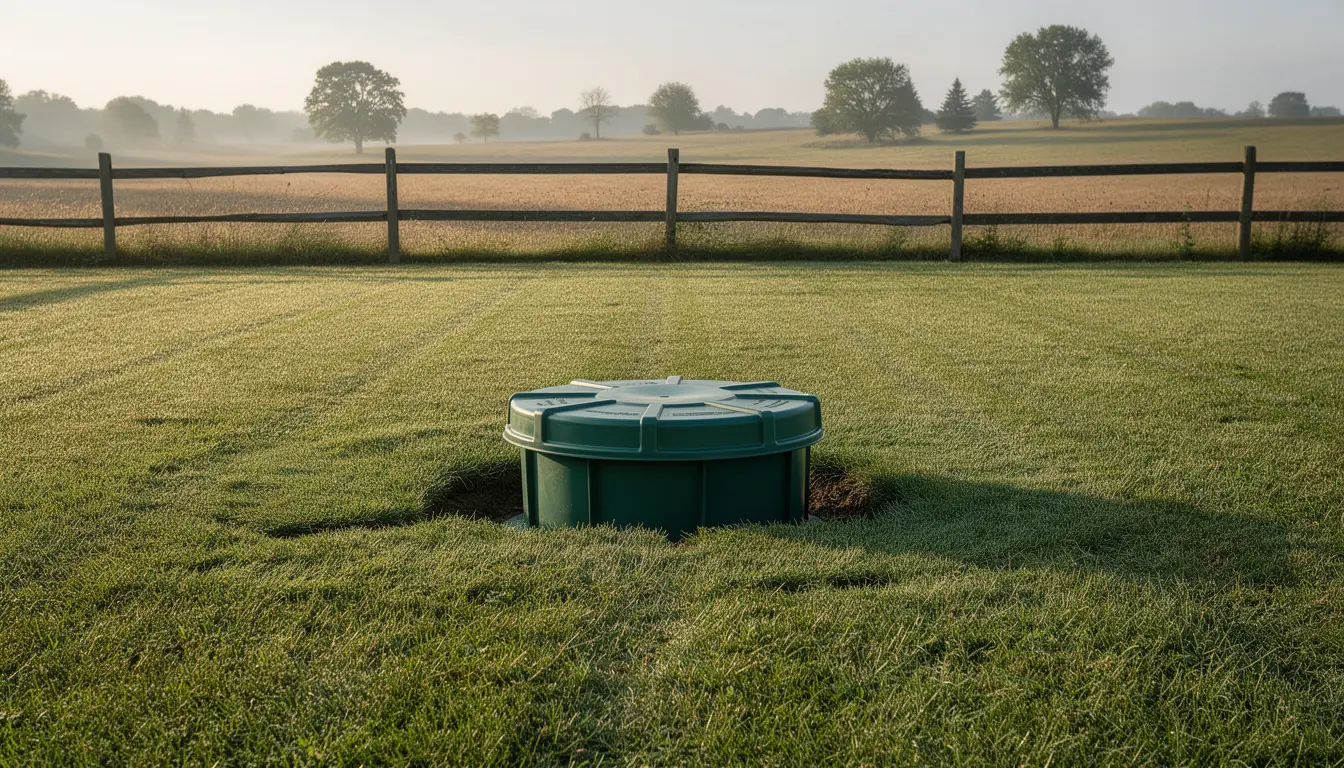
If your home isn't on city sewer, you own a small wastewater treatment plant, and it lives in your yard. Septic systems are quiet partners — right up until they're not. A few habits decide which kind you get.
The tank needs pumping, period. Solids settle in the tank and slowly fill it; a typical household tank wants pumping every three to five years. No additive, enzyme, or miracle powder replaces the truck — anything promising otherwise is selling you a delay, not a fix. If you can't remember the last pump-out, that's your answer.
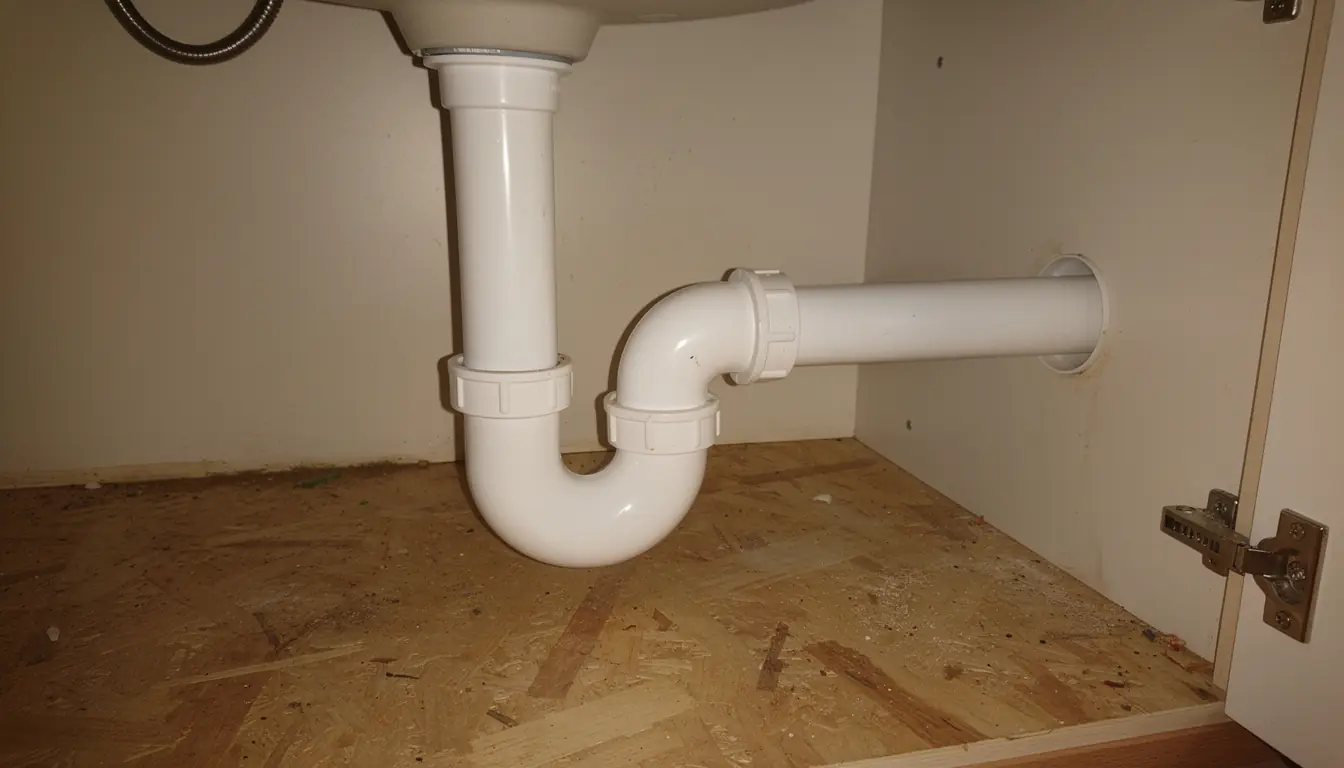
The flush list is short. Wastewater, toilet paper. That's the list. Wipes — including every package labeled 'flushable' — don't break down, and they're the most common thing pulled out of failed systems. Grease is the other villain: it sails through the trap warm, then congeals in the tank and field like candle wax.
Your drain field is load-bearing — don't load it. Those buried lateral lines need oxygen in the soil to do their job. Parking a truck, trailer, or camper on top compacts the soil and crushes the lines; so does building or pouring over them. Grass is the right crop for a drain field. Trees are not — roots hunt those lines, and around here they find them.
West Tennessee rain is part of the system. Our clay soil holds water, and a saturated drain field can't accept more. If your drains slow down during a long wet stretch and recover after, the field is telling you it's at its limit — worth an evaluation before the season it doesn't recover.
The early warnings: gurgling fixtures, the lowest drain in the house backing up first, sewage smell outside, and a stripe of suspiciously green, spongy grass over the lateral lines in dry weather. Any of those, call — caught early, it's often a repair; ignored, it's a new field.
Where we fit: we install and repair septic systems across Tipton County and can tell you what's actually wrong before anyone talks money — diagnosis first, price before work, same as everything else we do. (901) 699-7763.